When parents are considering homeschooling, they need to count the cost because there are many expenses to consider when contemplating educating their children. The costs are not just financial, but also emotional and physical.
abcTeach offers over 5000 free printable pages and worksheets. You'll also find activities like crossword puzzles, printable coloring sheets, and printable flash cards.
4Real Home Education seeks to provide encouragement and support for Catholic home educators who design their own curriculum and course of home studies. Posts here emphasize the Church's Liturgical Year, living books, nature, beauty in art, music, and natural methods of learning.
The Lord of History card game is a simple, inexpensive, low-effort, fun way to introduce children to key people and events in world history, while highlighting their Catholic significance. Using clear succinct stories about famous men and women from the arts, politics, exploration, literature and religious life, spanning the 3rd to the 20th centuries, players compete in a challenging and educational game for the whole family.
This report, Homeschooling in the United States: 1999, presents an estimate of the number of homeschooled students, characteristics of homeschooled children and their families, parents' reasons for homeschooling, and public school support for homeschoolers. Major findings from the Parent-NHES:1999 indicate that in the spring of 1999, an estimated 850,000 students nationwide were being homeschooled. This amounts to 1.7 percent of U.S. students, ages 5 to 17, with a grade equivalent of kindergarten through grade 12. Four out of five homeschoolers were homeschooled only (82 percent) and one out of five homeschoolers were enrolled in public or private schools part time (18 percent). It also found that a greater percentage of homeschoolers compared to nonhomeschoolers were white, non-Hispanic in 1999—75 percent compared to 65 percent. At the same time, a smaller percentage of homeschoolers were black, non-Hispanic students and a smaller percentage were Hispanic students. Further, it was found that the household income of homeschoolers in 1999 was no different than nonhomeschoolers. However, parents of homeschoolers had higher levels of educational attainment than did parents of nonhomeschoolers.
This is the "Radical Unschoolers List". It is for all families, regardless of religious affiliation, choosing to unschool. Unschooling is learning as a part of life. It allows the child to learn naturally, without adult-imposed "lessons", schedules, or timelines. This list is to offer support, information, perspective, and enlightenment to anyone already unschooling or interested in unschooling.

 Homeschooling: You're Doing It Right Just by Doing It *
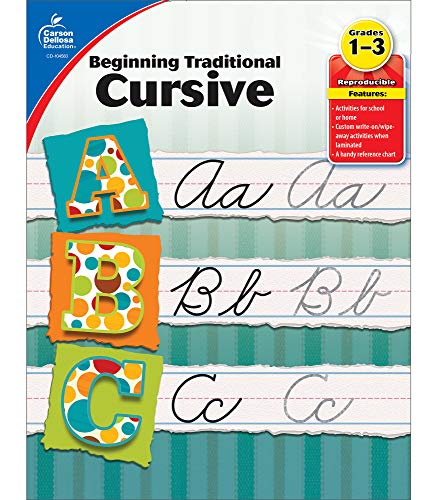
 Carson Dellosa Grades 1-3 Beginning Traditional Cursive Handwriting Workbook, Wr... *
 Human Body Activity Book for Kids: Hands-On Fun for Grades K-3 *
 The Homeschool Planner: Beautiful and Undated with Monthly Tabs | To Do List, Go... *
 One Question a Day Journal for Kids: 365 Days All about Me *
 Home Learning Year by Year, Revised and Updated: How to Design a Creative and Co... *
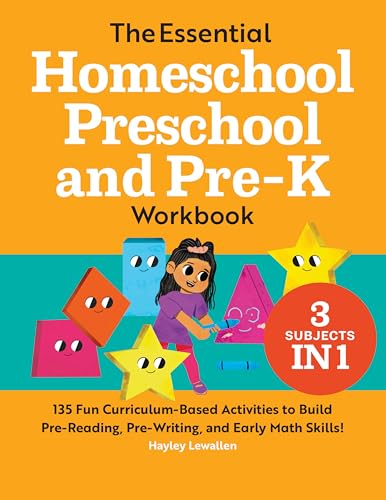
 The Essential Homeschool Preschool and Pre-K Workbook: 135 Fun Curriculum-Based ... *
 Preschool Big Fun Workbook: 256-Page Preschool Learning Workbook, Practice Math,... *
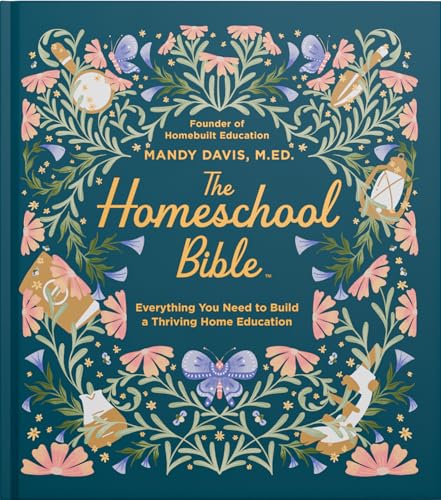
 The Homeschool Bible: A Practical Guide to Homeschool Curriculum, Lesson Plannin... *