Everyone learns differently. When you homeschool, it is very helpful to figure out the different ways that your children learn, process information, and retain knowledge. This will make teaching easier, and also reduces your child's frustration. Both will set you up for success. This guide details the Vark model of assessing learning styles for four identified ways of learning. Vark stands for visual, auditory, reading/writing, and kinesthetic. It further explains three additional learning styles identified by developmental psychologist Howard Gardner. This is called the theory of Multiple Intelligences: logical-mathematical, social, and solitary.
 Discover Your Child's Learning Style: Children Learn in Unique Ways - Here&...
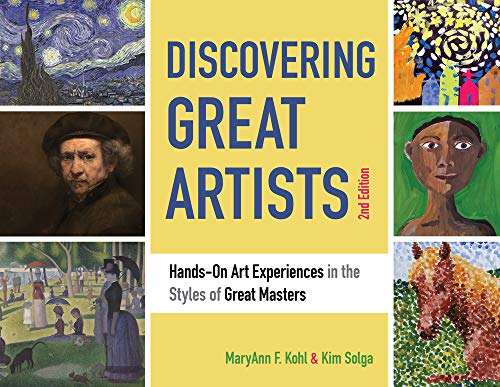
 Discovering Great Artists: Hands-On Art Experiences in the Styles of Great Maste...
 Great American Artists for Kids: Hands-On Art Experiences in the Styles of Great...
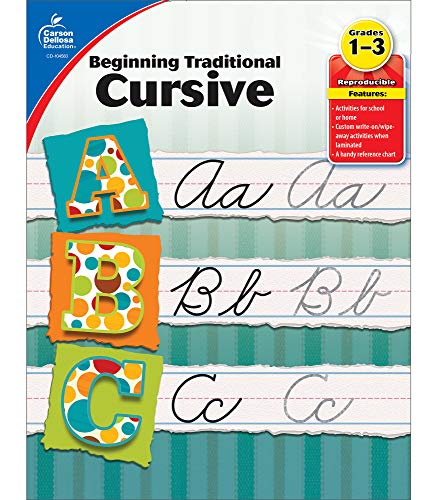
 Carson Dellosa Grades 1-3 Beginning Traditional Cursive Handwriting Workbook, Wr...
 The Way They Learn
 School Zone Alphabet Flash Cards: 56 Cards, Toddler, Preschool, Learn the ABC�...
 An Early Start for Your Child with Autism: Using Everyday Activities to Help Kid...




 The Big What Now Book of Learning Styles: A Fresh and Demystifying Approach
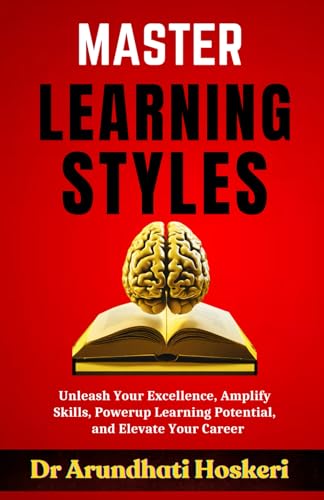
 Master Learning Styles: Unleash Your Excellence, Amplify Skills, Powerup Learnin...
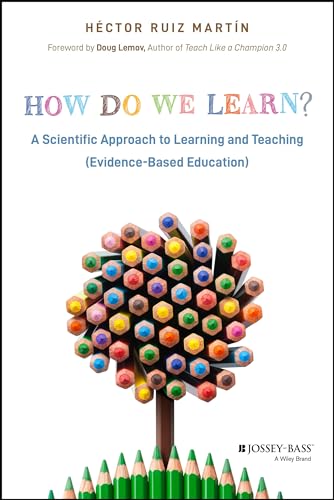
 How Do We Learn?: A Scientific Approach to Learning and Teaching (Evidence-Based...